Read this before you buy another cookbook...
 Katerina Pavlakis
Why your shelf full of cookbooks hasn't made you a better cook
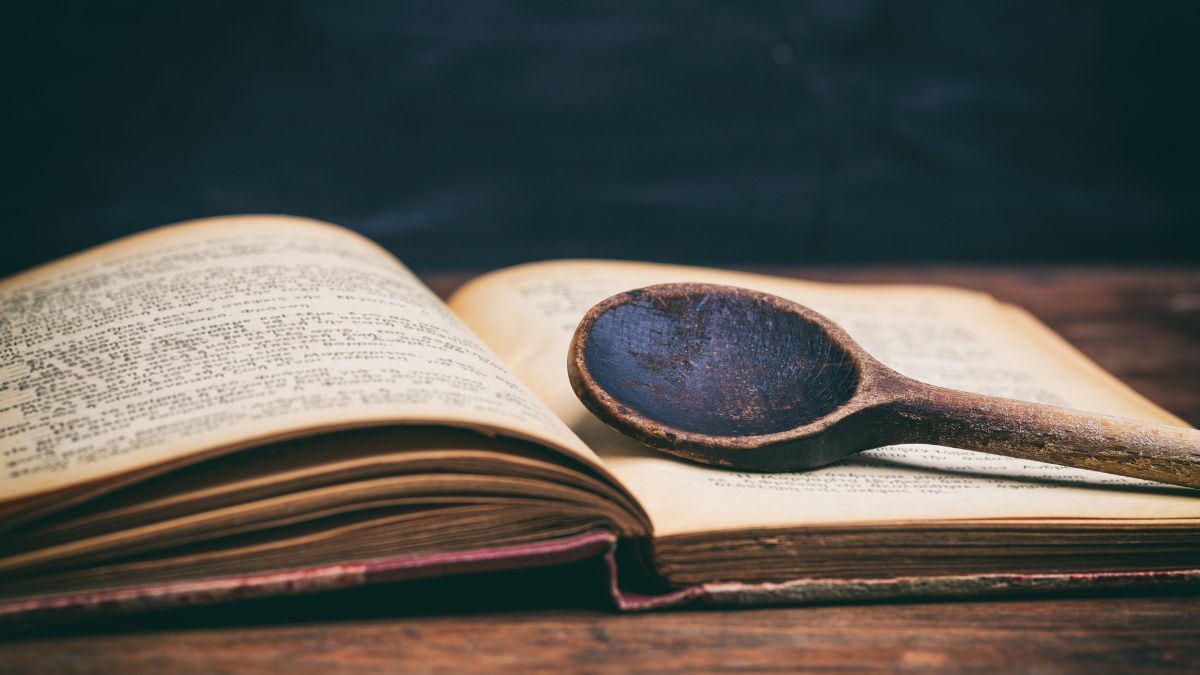
I love cookbooks.
I read them in bed like novels.
And I especially love the food writers that know how to tell a story, like Nigel Slater, Tamar Adler, Samin Nosrat...
But... here's the thing.
If you're buying a cookbook hoping this one will finally make you a confident cook, you're setting yourself up for disappointment.
Recipes (in books or otherwise) are brilliant for ideas.
They're terrible for learning to cook. And even worse for developing kitchen confidence.
They're meant to be read, enjoyed, adapted - not followed like gospel.
Growing up in 70s Greece, nobody used recipes to cook dinner. I learned by watching, tasting, adjusting.
Then, when I moved to London in my 20s I found myself thrown into the strange cult of recipe writers and celebrity chefs.
The role of recipe books has changed fundamentally in the last 150 years: Old-time cookbooks were written like memory aids, with rudimentary instructions. Modern cookbooks are treated like instruction manuals for daily life.
So when I see people with a shelf full of barely-touched cookery books, yet still feeling lost in the kitchen, I understand what's happened.
You're using the wrong tool for the job.
Here's what to ask yourself before buying another one:
Are you buying this because you love reading about food? Great reason. Buy it, enjoy it, get inspired.
Or are you buying it hoping this will be the one that finally make you a confident cook? Wrong tool.
Can you adapt these recipes when you don't have the exact ingredients? Will you feel confident changing things to your taste?
If the answer is no - you don't need another recipe book.
You need to understand how cooking actually works.
The difference matters.
Once you understand the priciples behind the recipes - the why, not just the what - recipe books become pleasure, not pressure.
You'll read them the way I do: Curled up with a cup of tea, appreciating the storytelling, stealing ideas, thinking 'ooh, that sounds tasty, I'll try something like that with what I've got.'
Not frantically highlighting ingredients you need to buy, and feeling anxious about 'getting it right.'
Not adding another book to the pile of things that were supposed to fix your cooking but didn't.
Recipe books should be your pleasure reading, not your textbook.
They're the dessert, not the main course.
Learning the why and the how will give you more confidence than a any extra recipe.
And that's simpler than you think - you definitely don't need go to culinary school to understand the simple principles behind all good cooking (check out The Kitchen Compass).
Then enjoy the books for what they are - inspiring and delicious reading.
That's when cooking gets fun.
Categories: : (RE)THINK